
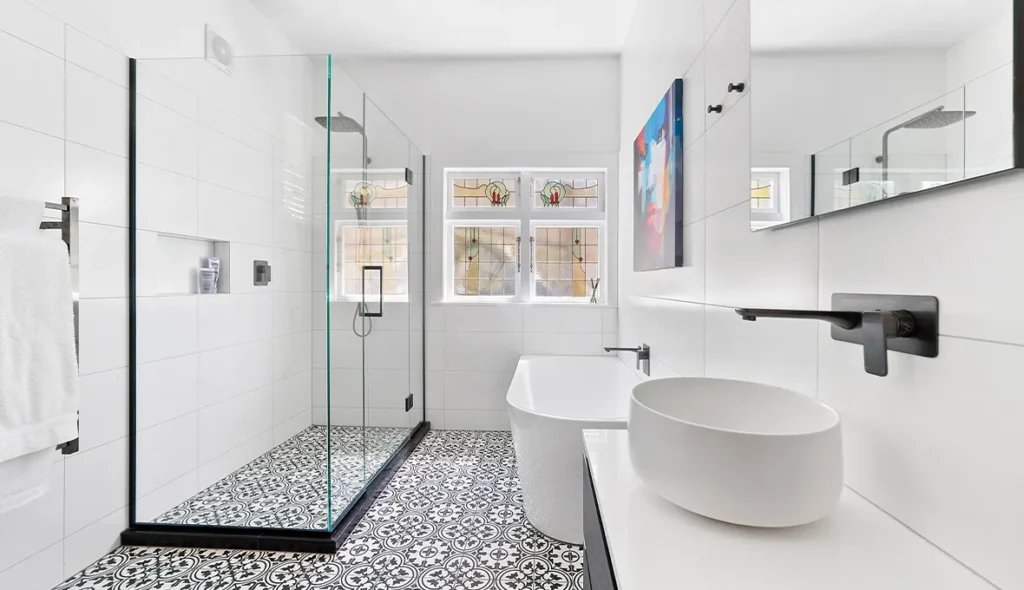
The dust has settled, the contractors have left, and you are left with a stunning, brand-new kitchen and bathroom. Congratulations! A renovation is a significant investment, and the natural next question is: How do you keep that “brand new” look for years to come?
Protecting your remodeled space requires specific, consistent maintenance tailored to your new materials. While cleaning may seem obvious, using the wrong products or techniques can prematurely damage expensive surfaces like natural stone, custom cabinetry, and glass.
Here is your essential guide to post-renovation cleaning and long-term care for your most important areas.
Kitchen Countertop Care: The First Line of Defense
Your countertops are the workhorses of the kitchen and often the centerpiece. Treating them correctly is crucial to their longevity.
Natural Stone (Granite, Marble)
These porous materials are beautiful but require diligence. Wipe spills immediately, especially acidic liquids like wine, vinegar, or citrus juice, as they can etch the surface. Use only pH-neutral cleaners and re-seal the surface every 6 to 12 months as recommended by your installer.
Engineered Quartz
Though highly durable, quartz can be damaged by intense heat. Always use trivets for hot pots and pans. For cleaning, warm water and mild dish soap are usually sufficient.
Wood/Butcher Block
To prevent water damage and swelling, wipe up standing water promptly. Regular oiling (using mineral or butcher block oil) will protect the wood and maintain its luster.
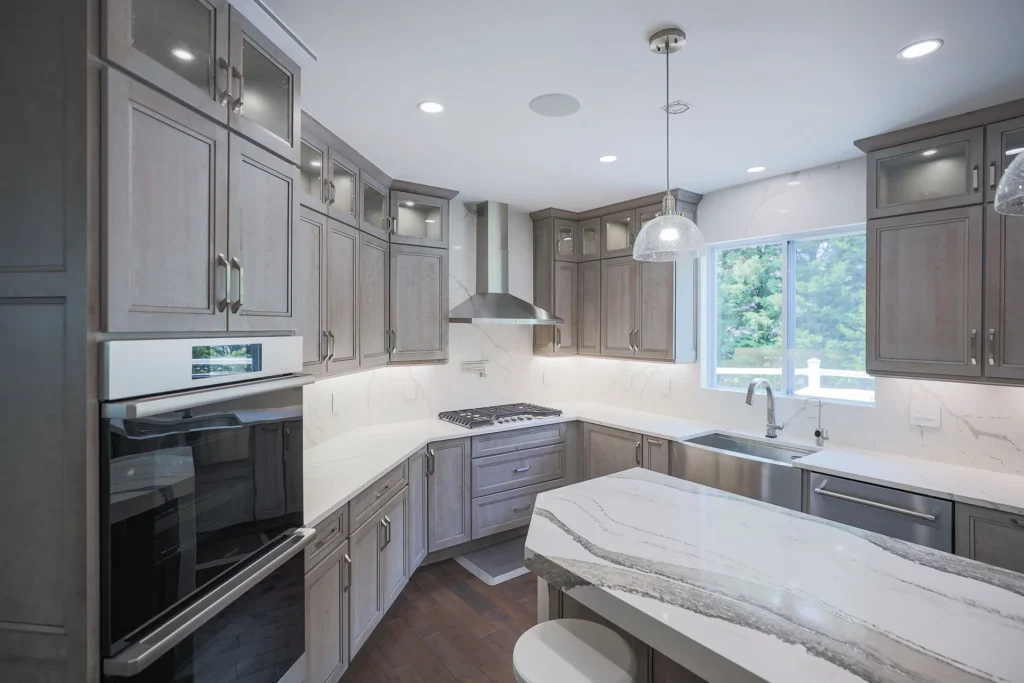
Preserving Kitchen and Bathroom Cabinetry
Custom cabinetry is a major investment. Fortunately, maintaining the finish is simple—as long as you avoid harsh chemicals.
The Gentle Clean
Use a damp, soft cloth and a small amount of mild, non-abrasive soap (like diluted dish detergent). Gently wipe down the surfaces. Never use all-purpose chemical sprays, scouring pads, or abrasive cleaners, which can strip or dull the finish.
Moisture is the Enemy
In the kitchen, wipe away condensation or spills near the sink. In the bathroom, dry any splashes on the vanity doors. Excess moisture is the fastest way to cause peeling, warping, or cracking.
Tighten the Hardware
Over time, the constant use of doors and drawers can loosen the screws on handles, knobs, and hinges. Periodically check and gently tighten any wobbly hardware to prevent strain on the cabinet boxes.
Bathroom Specifics: Tile, Grout, and Glass
The high-humidity environment of the bathroom requires special attention to prevent mold, mildew, and hard water stains.
Grout & Tile Maintenance
Tile is durable, but the porous grout is vulnerable. For long-term protection, apply a grout sealer (especially in the shower) annually. To clean, use a specialty grout brush and a cleaner designed for tiled surfaces.
Clear Shower Glass
The best defense against permanent hard water spots is a simple, proactive routine:
Squeegee Habit: Use a dedicated shower squeegee on the glass door and walls after every use.
Protective Coatings: Consider applying a professional glass coating (hydrophobic sealant) that repels water and minerals.
Ventilation is Key
Always run the exhaust fan during your shower and leave it running for 15-20 minutes afterward. This removes humid air and minimizes moisture build-up on walls, ceilings, and in the cabinetry.
Plumbing and Fixture Longevity
Your new faucets and drains are meant to last, but they require the right care to prevent corrosion and clogs.
Fixtures
Use a soft, non-abrasive cloth to wipe down faucets and shower heads. Avoid abrasive cleaning pads or harsh chemicals, which can scratch or wear down the protective finish of chrome, brushed nickel, or matte black fixtures.
Drains & Disposals
Protect your new piping by using strainers to catch hair and debris. Avoid chemical drain cleaners entirely; they are caustic and can damage new pipes and seals. Instead, use an enzymatic drain cleaner for slow drains.
Garbage Disposal Care
Always run a strong stream of cold water while using the disposal and for a few seconds after to flush all waste.
Conclusion
Your newly remodeled kitchen and bathroom are a source of joy and a significant financial asset. By adopting these consistent, gentle maintenance practices, you will ensure these rooms continue to look pristine and function flawlessly for decades.
The secret isn’t scrubbing harder—it’s cleaning smarter.
Ready to ensure your new plumbing and electrical systems are functioning perfectly beneath the surface? Contact us today for a professional post-renovation inspection!