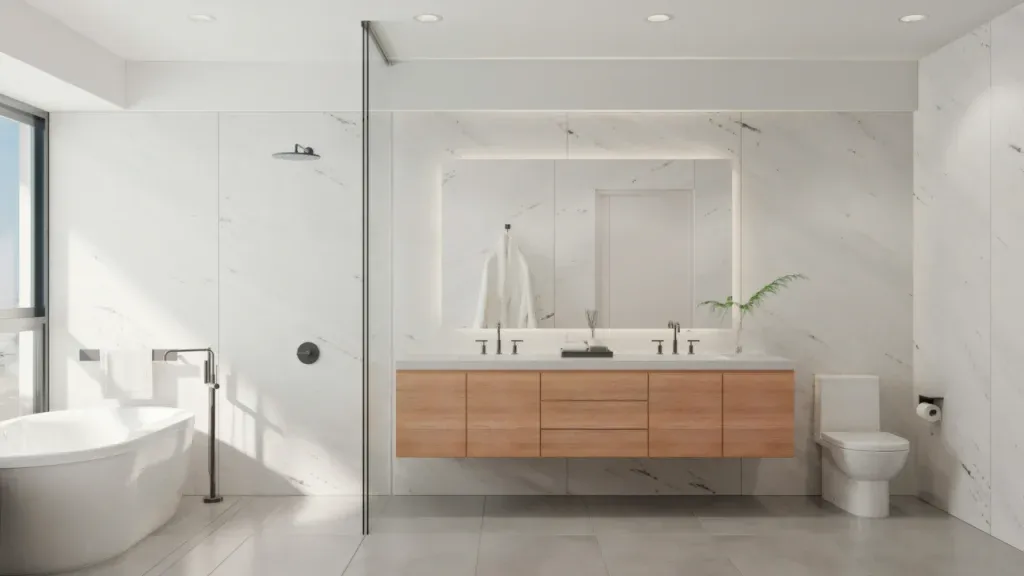
A bathroom remodel is one of the most popular home improvement projects, offering a great return on investment and a significant boost to your daily quality of life. However, the process is often filled with questions.
We’ve compiled the top 5 most frequently asked questions and provided expert-backed answers to help you navigate your renovation with confidence.
- How much does a bathroom remodel actually cost?
The cost of a bathroom remodel is highly variable and primarily depends on the scope of work and the quality of materials selected, making budgeting the most critical first step. Experts categorize costs into tiers, starting with a basic surface-level refresh (around $3,000–$10,000+) which focuses on cosmetic changes like paint, fixtures, and a new vanity while keeping the existing layout. A mid-range remodel ($10,000–$25,000+) includes replacing major elements like flooring and shower surrounds with new tile and better-quality fixtures.
A luxury or major remodel (often exceeding $25,000) typically involves moving plumbing, changing the layout, and incorporating high-end, custom features like heated floors or sophisticated shower systems. Regardless of the scope, allocating a 10% to 20% contingency fund is non-negotiable, as unexpected issues like mold or outdated subfloors are common once demolition begins, ensuring the project doesn’t stall due to unforeseen expenses.
- How long will the renovation take from start to finish?
A comprehensive bathroom renovation, especially a full gut job, typically requires a total of 8 to 16 weeks when considering both preparation and construction. The preparatory phase, which often consumes the most time, involves finalizing the design, selecting all materials (tile, vanity, fixtures), obtaining any necessary permits, and securing a reliable contractor. Waiting for custom-ordered or specialty items to arrive can take 4 to 8 weeks or longer, and experts strongly advise having all materials physically on-site before demolition starts to prevent costly project delays.
The active construction phase, which includes demolition, plumbing rough-in, electrical work, waterproofing, tiling, and final installation, usually takes 3 to 8 weeks of continuous work. Proper sequencing is crucial; rushing critical steps like curing time for waterproofing membranes can compromise the long-term integrity of the bathroom.
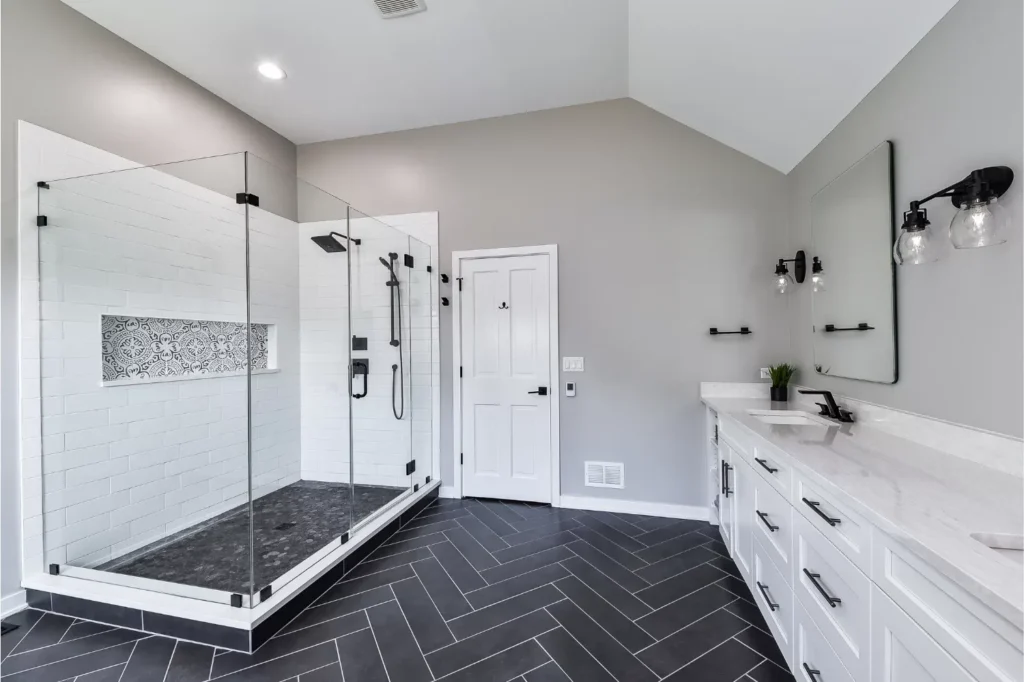
- Which elements should I splurge on, and where can I save money?
Strategic splurging should focus on components that are difficult, disruptive, or expensive to replace later, specifically internal infrastructure and primary functional elements. You should invest in high-quality plumbing valves, waterproofing membranes, and ventilation systems, as failures in these areas lead to significant repair costs and water damage. Similarly, durable, slip-resistant flooring (like porcelain tile) that withstands heavy moisture is a worthwhile investment.
Conversely, you can save money on items that are easily changeable or primarily aesthetic. These include the actual faucets and hardware (which are simple to swap out later), standard white subway tile for shower walls (which offers classic style affordably), and basic lighting fixtures. Prioritizing quality behind the walls over easily replaceable decor ensures the room’s structural integrity and long-term functionality.
- Should I replace my bathtub with a walk-in shower?
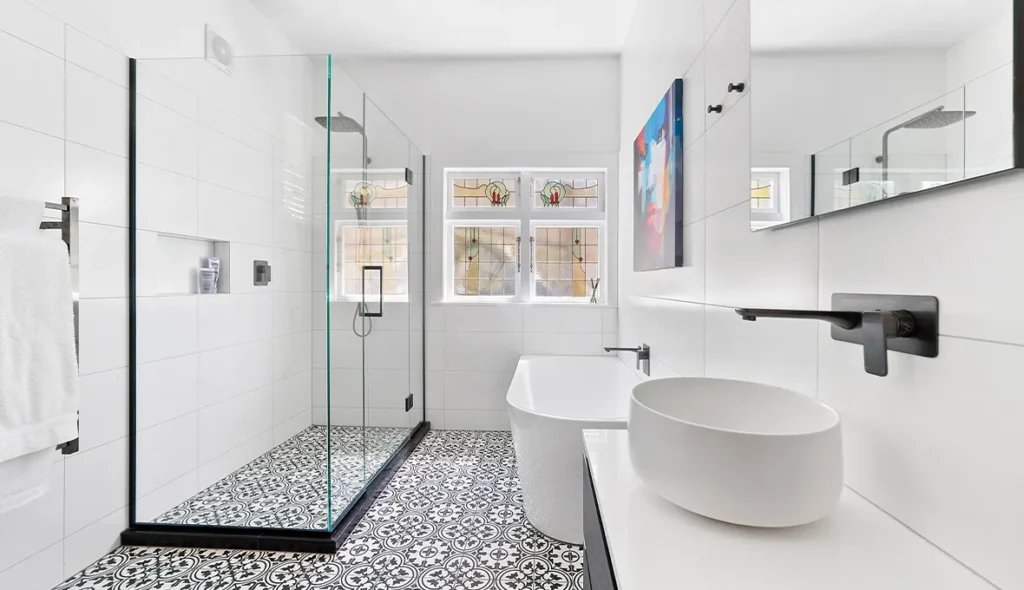
The decision to replace a bathtub with a walk-in shower should be carefully considered based on both your household’s needs and potential resale value. For homeowners planning to age in place or who rarely use a tub, a walk-in shower (especially a curbless design) provides a modern aesthetic, superior accessibility, and easier cleaning, making it a highly desirable functional upgrade. However, if your home is a 3+ bedroom family house, real estate experts strongly recommend keeping at least one full bathtub in the home.
Eliminating the only tub can significantly reduce the appeal to families with young children or pets, potentially narrowing your buyer pool and impacting the overall resale value. If you have a separate tub elsewhere, converting a secondary bath is a safe choice, but be cautious about removing the only tub available.
- Is it safe to keep the current bathroom layout to save money?
Absolutely, maintaining the existing layout is the single most effective way to drastically reduce the cost and timeline of a bathroom remodel without compromising on aesthetics. The primary cost drivers in a renovation are the expenses associated with moving the plumbing and electrical infrastructure. Rerouting the drain lines for the toilet, sink, or shower requires opening up floors, walls, and sometimes the ceiling below, which demands increased labor from plumbers, electricians, and carpenters.
By keeping the fixtures in their current locations and focusing on upgrades to vanity, tile, fixtures, lighting, and paint, you can achieve a stunning, modern transformation for thousands less. This strategy avoids complex, high-cost structural and mechanical changes while still delivering a massive impact on the room’s look and feel.
Final Thoughts
Embarking on a bathroom remodel is a significant undertaking, but thoughtful planning based on expert insights ensures a rewarding outcome. By meticulously planning your budget, being patient with the procurement timeline, and strategically investing in high-quality internal components (plumbing, waterproofing), you safeguard your investment. Whether you choose to prioritize accessibility with a walk-in shower or maintain resale value with a tub, remembering that keeping the existing layout is the ultimate cost-saver will help you achieve a stunning, functional space tailored to your needs.